Sustainable Corporate Gifts That Work
The Problem With "Eco-Friendly" Gifts
Your company wants to show commitment to sustainability. So you choose an "eco-friendly" corporate gift to demonstrate values. But here's the uncomfortable truth: most eco-friendly gifts are just marketing without real environmental impact.
The problem is that companies market sustainability more than they deliver it. They choose materials that sound environmental but don't consider whether the product actually gets used or what happens at end-of-life.
Examples of Gifts That Miss the Mark
"Eco-friendly" bamboo products break easily, are shipped from overseas (high carbon), and don't get recycled after use. "Sustainable" packaging is made from recycled materials but doesn't get recycled after use. "Organic" cotton bags are nice ideas, but nobody needs more tote bags and they rarely get used. "Biodegradable" products often biodegrade in landfill (not better than regular waste).
The pattern is clear: these gifts feel good to give, but they don't deliver real environmental impact.
How to Spot Real vs. Fake Sustainability
Ask These Questions
Will the recipient actually use this for years, or will they throw it away in months? Is the environmental claim verifiable, or is it just marketing language? Is the manufacturing and shipping sustainable, or are they just using sustainable materials? Is there a plan for end-of-life disposal, or does it end up in landfill? Are they making claims or proving action through data?
The answers to these questions separate real sustainability from greenwashing.
What Real Sustainability Means
Real sustainability in corporate gifting requires durability so the gift lasts years rather than months. It requires actual use so recipients benefit repeatedly from the product. It requires measurable impact that you can verify with data. It requires transparency with no empty claims, just facts. It requires an end-of-life plan so products are recycled responsibly.
When all these elements align, you have genuine sustainability, not just environmental marketing.
Branded Silicone Straws: Real Sustainability
Let's measure this against real sustainability criteria:
Durability
Silicone straws last 5-10 years with regular use. They don't degrade or break into microplastics. They remain fully functional after hundreds of uses. This durability is the foundation of real sustainability.
Use
Recipients use them 3-5 times per week on average. They fit naturally into daily routines (bag, car, desk). They don't require special occasions—just practical daily use. High utilisation is essential for real impact.
Measurable Impact
One straw replaces approximately 500 single-use straws over its lifetime. The Silicone Straw Company has verifiable data showing they've diverted 2+ million straws from waste (and counting). You can calculate total plastic diverted from your gifting campaign.
Transparency
Manufacturing happens in the UK (source is clear and verifiable). Materials are specified as food-grade silicone. No marketing claims just practical gifts that genuinely reduce waste. Charlotte's 15-year engineering background backs the quality.
End-of-Life
The company offers a recycling scheme where old straws are returned and recycled responsibly. Products don't end up in landfill. This creates a closed-loop system that demonstrates genuine commitment.
Why Most Eco Gifts Fail
Eco-friendly bamboo products fail because they break easily (not durable), require international shipping (high carbon), and don't get recycled (no end-of-life plan). Sustainable packaging fails because it uses recycled materials but doesn't inspire recipients to recycle after use. Organic cotton bags fail because people don't need more bags and rarely use them.
The common problem: these gifts prioritize the feeling of doing good over actual environmental impact.
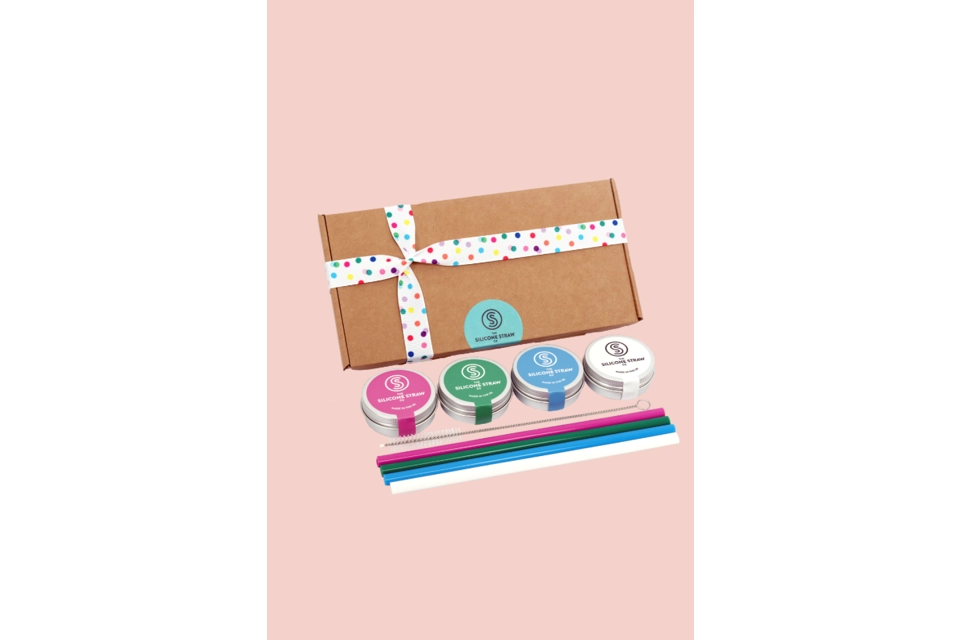
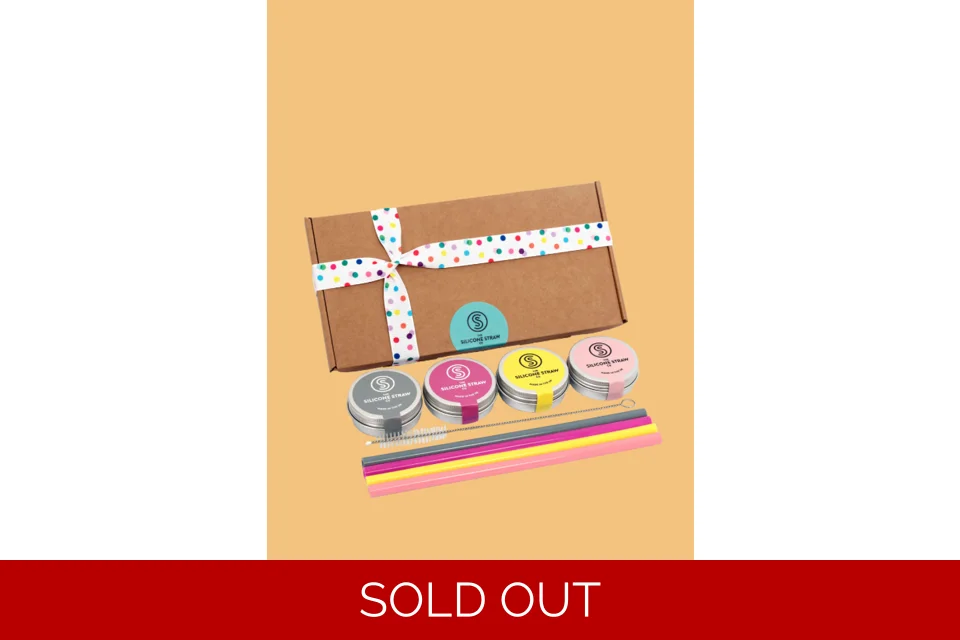
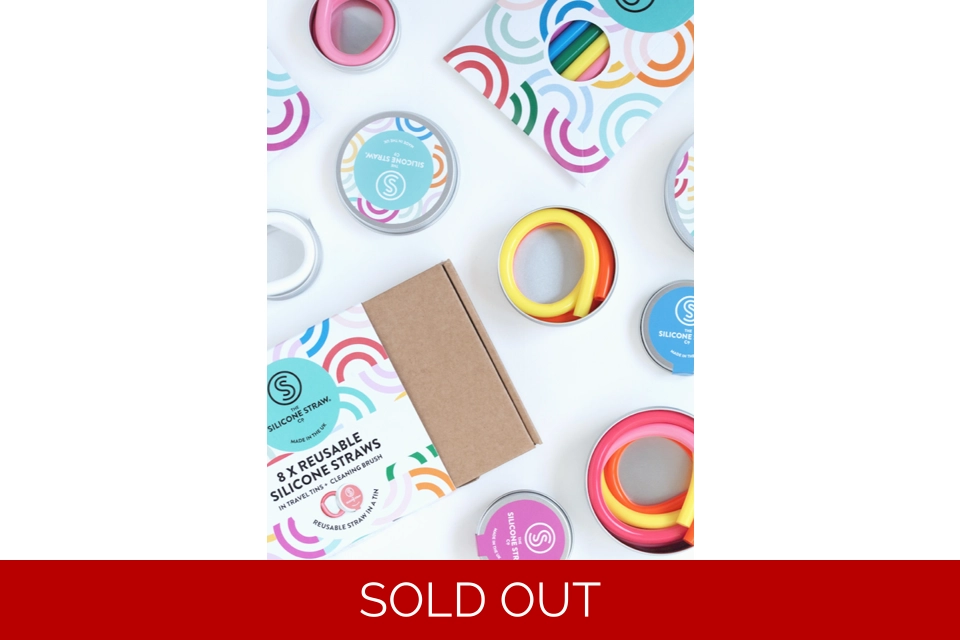
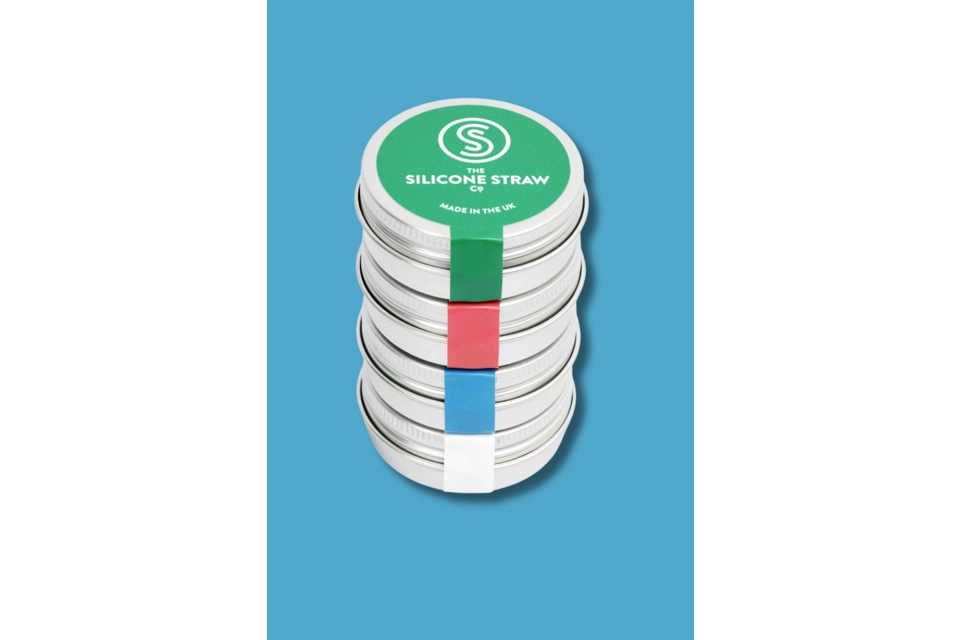
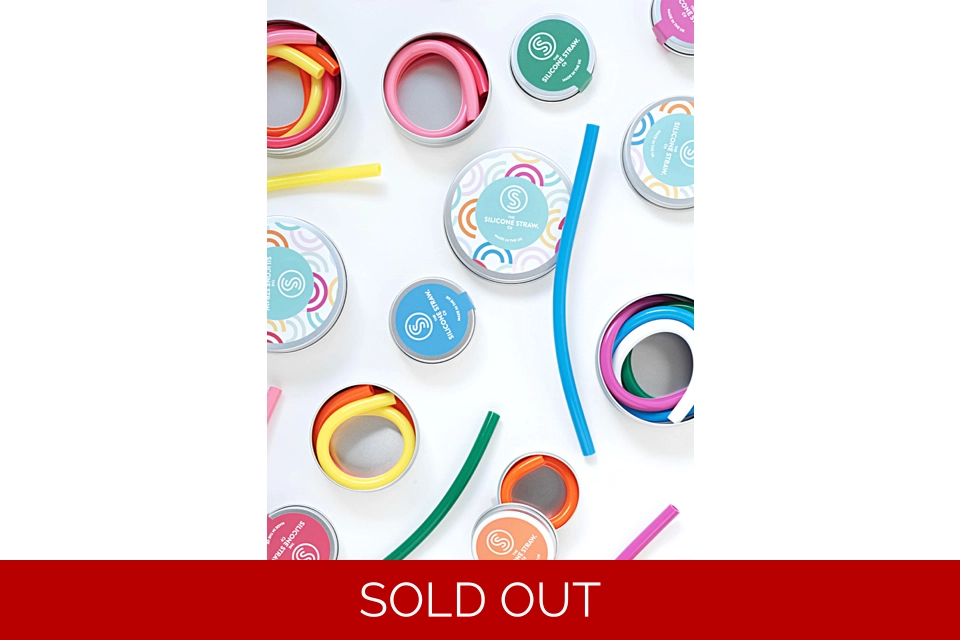
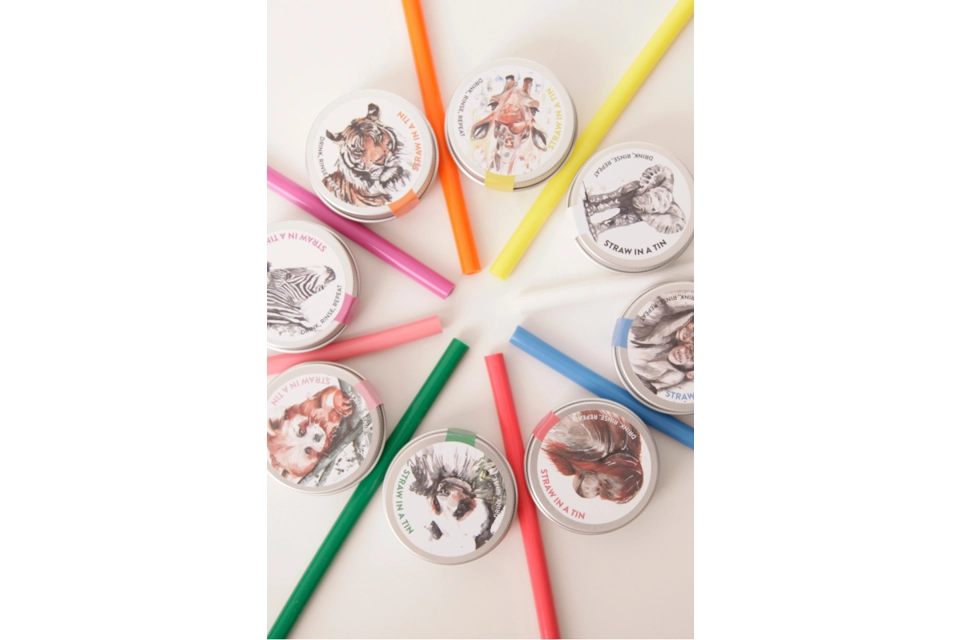
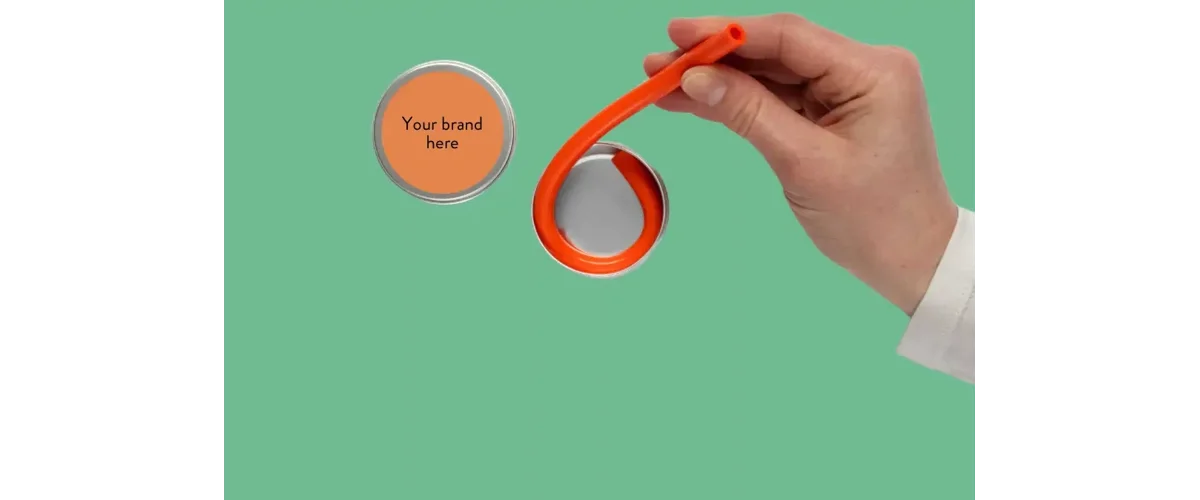
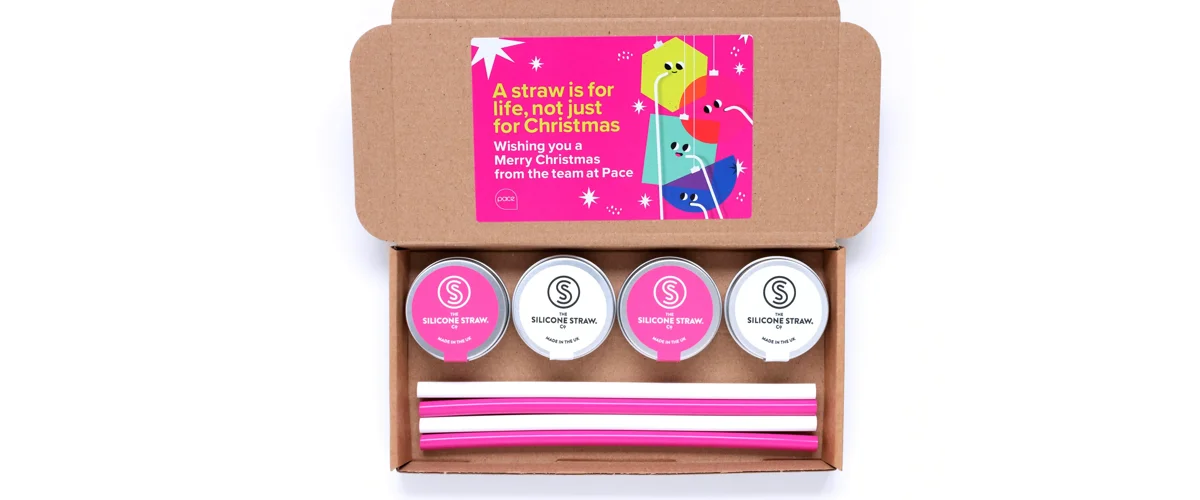
The secret is making sure people use them, our handy travel tins make them perfect for on the go convenience ensuring the sustainable gift keeps being sustainable.
The Difference: Real vs. Marketing
Real Sustainability
"We give reusable straws because they're practical and durable. Each straw replaces approximately 500 disposables. We make them in the UK to reduce carbon footprint. We offer recycling when they wear out."
This is verifiable, specific, and focused on action. It's measurable sustainability.
Marketing Greenwashing
"We're giving eco-friendly gifts because we care about the planet."
This is vague, feels good, and has no accountability. It's marketing without substance.
How to Choose Real Sustainable Gifts
Question 1: Will They Actually Use It?
The most eco-friendly gift is one that gets used regularly. An unused gift is wasteful, regardless of materials. Test: Would you use it repeatedly?
Question 2: Can You Verify the Claims?
Don't just trust marketing. Ask where it's made, what materials are used, what the carbon footprint is, how long it will last, and what happens at end-of-life. If the company can't answer clearly, skip it.
Question 3: Is It Aligned With Your Industry?
A fitness brand giving reusable water bottles makes perfect sense. A drinks brand giving reusable straws is ideal alignment. A tech company giving organic cotton bags feels disconnected. Best gifts align with what recipients actually need.
Question 4: Does the Company Walk the Walk?
Does the supplier manufacture locally (low transport carbon)? Do they offer recycling programs? Do they publish sustainability data? Do they show real environmental commitment? If yes, they're worth supporting.
The Silicone Straw Example: Real Impact
The Silicone Straw Company has diverted 2+ million single-use straws from landfill (measurable impact). They manufacture in the UK (lower carbon footprint, supports local economy). They offer recycling scheme (responsible end-of-life). They've worked with major brands like Pret A Manger and Poppi Drinks (credibility). Charlotte has 15 years manufacturing engineering experience (expertise). Chalotte works with The University of Leeds to ensure up to date knowledge and to substantiate claims.
This is real sustainability backed by data and action, not just marketing language.
About the Author
Charlotte Walsh is an engineer with 15 years of manufacturing experience and founder of The Silicone Straw Company. She believes in measurable sustainability, not marketing claims. Every straw is UK-made, hand-packed, and tracked for environmental impact
Related Blogs
- Main Guide: Corporate Gifts People Actually Use
- For Drinks Brands: Branded Silicone Straws for Drinks Brands
- For Events: Event Giveaway Ideas That People Don't Throw Away
- For Employees: Employee Gifts That Actually Get Used
Ready to Choose Real Sustainability?
Email: hello@thesiliconestrawcompany
Corporate Gifting: https://www.thesiliconestrawcompany.co.uk/page/branded-corporate-gifts
FAQ
How do I know if a sustainable gift is genuine?
Ask: Will they use it? Can you verify the claims? Is the supply chain transparent? Does the company have an end-of-life plan? If yes to all four, it's likely genuine sustainability.
What makes silicone straws actually sustainable?
They're durable (5-10 years), used regularly (high utilisation), measurable impact (500+ disposables per straw), and backed by action (UK manufacturing, recycling program).
Isn't greenwashing common in corporate gifting?
Yes. Most eco-gifts prioritise marketing over impact. That's why asking hard questions matters before choosing.
Can we verify the environmental claims?
Yes. The Silicone Straw Company works with The University of Leeds to verify and lead research in reusables. They're transparent about manufacturing and offer recycling. This is verifiable sustainability.
What if our budget is tight?
Silicone straws cost £10-15 per set, which is reasonable. You get better ROI through durability and use frequency than cheaper gifts.
How do we communicate this internally?
Frame it as "verified sustainability" not "eco-friendly marketing." Show the data. Explain durability and use. Talk about measurable impact.
What's the difference between sustainable and eco-friendly?
Sustainable means long-term, measurable impact. Eco-friendly is often just marketing. Look for the difference.
Do I need to buy carbon offsets?
With UK manufacturing and durable products, carbon footprint is already low. Offsets aren't necessary.
Can we include sustainability messaging on packaging?
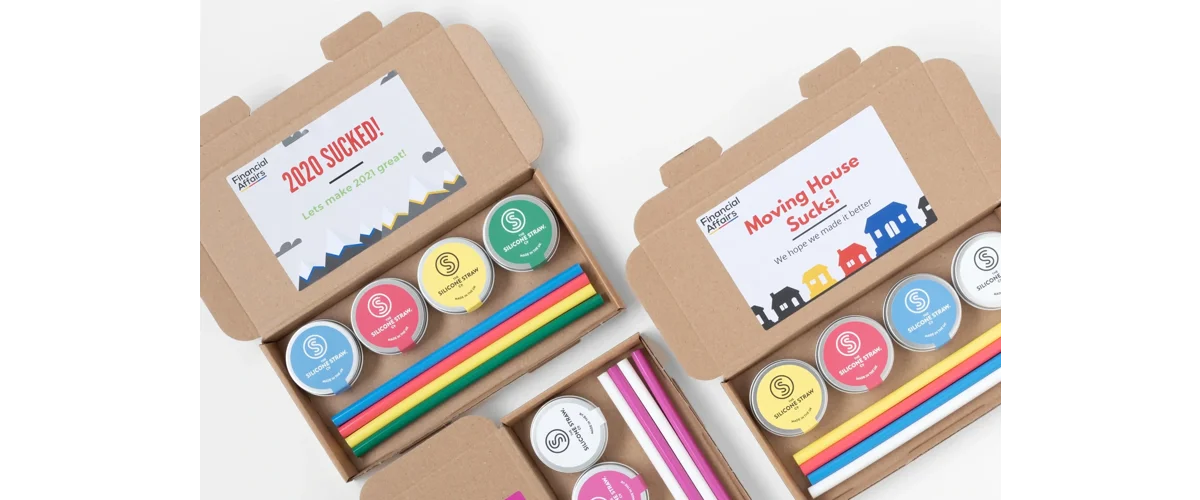
Yes. Explain the environmental impact and recycling program on the custom tin. Use packaging to reinforce the message.
How do we measure actual impact?
Calculate total straws gifted × 500 disposables per straw = total plastic diverted. It's measurable and shareable with employees and stakeholders.