
Reusable Silicone Straws for Independent Drinking and Everyday Accessibility
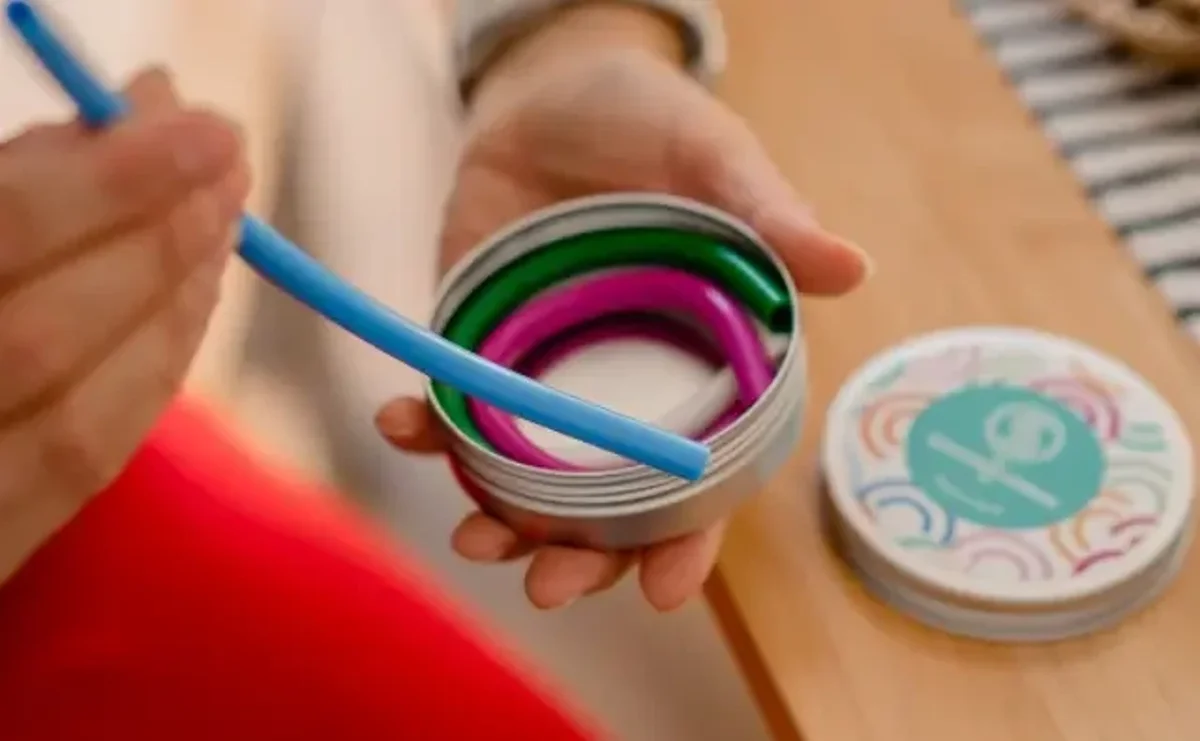
Reusable silicone straws are often seen as an eco friendly swap. And they are. But for many people, they are also something more personal.
For customers with mobility challenges, coordination differences, or conditions such as Parkinson’s, a reusable straw can support comfort and independence in everyday drinking. What looks like a simple product can quietly become an essential one.
Are Reusable Silicone Straws Helpful for People with Mobility Issues?
For some people, lifting and tilting a glass requires more effort than most of us realise. Reduced grip strength, muscle fatigue, limited arm movement, or joint stiffness can make drinking uncomfortable or tiring.
A reusable silicone straw allows the cup to stay on a stable surface. There is no need to raise the arm high or tilt the head back. The movement involved is smaller and often more manageable.
For individuals who rely on a straw regularly, this can support safer, more independent drinking at home and when out.
Can Silicone Straws Help People with Hand Tremors or Reduced Grip Strength?
Hand tremors or coordination challenges can increase the risk of spills. That can be frustrating, especially in social settings. Using a straw reduces the need to stabilise and tilt a cup at the same time. The drink remains on the table, which may feel more secure and controlled. Soft reusable silicone straws are often preferred over rigid metal straws because they are flexible and gentle in the mouth. They are not cold against the teeth and can feel more comfortable for daily use. Our reusable silicone straws are durable, easy to clean, and designed for repeated use, making them both practical and sustainable. See the fill range HERE
Are Silicone Straws Good for People Living with Parkinson’s?
People living with Parkinson’s may experience tremors, muscle stiffness, or changes in coordination. Drinking from a standard glass can sometimes require extra concentration or physical effort. A straw can reduce lifting and tilting movements, which may help minimise spills and strain. For some individuals, having a reliable, comfortable straw nearby supports confidence and independence throughout the day. Every person’s experience is different. A reusable silicone straw is not a medical device, but it can be a supportive everyday tool for those who find it helpful.
How Can a Reusable Straw Support Independent Drinking at Home or in Public?
Independence in daily routines matters. Being able to drink without assistance can support dignity and confidence.
Our reusable silicone straws come in a compact travel tin, making them easy to carry in a handbag, backpack, or coat pocket. For customers who rely on a straw regularly, portability is important. It reduces uncertainty about whether a suitable straw will be available at a café, restaurant, or workplace. A reusable straw with a travel case also eliminates the need for disposable plastic straws, offering a more sustainable and reliable solution.
We always encourage customers with specific swallowing concerns to follow guidance from their healthcare professional. Our focus is on providing a comfortable, reusable silicone straw that supports everyday ease.
Frequently Asked Questions
Are reusable silicone straws considered adaptive drinking aids?
Reusable silicone straws can act as supportive everyday tools for people who find traditional drinking methods difficult. While they are not medical devices, they may assist with independent drinking and accessibility.
Do soft silicone straws make drinking easier for adults with additional needs?
Many adults prefer soft silicone straws because they are flexible, gentle, and more comfortable than rigid alternatives. Comfort often makes consistent daily use easier.
Can a flexible reusable straw reduce spills for people with tremors?
Keeping the cup on a stable surface while sipping through a flexible straw can reduce the need to lift and tilt. For some people with tremors, this may help minimise spills and make drinking more manageable.




Thank you for posting your blog comment. It will be reviewed and set live soon. If you provided your email then you will be notified of replies to this comment.